Professional Tick Control & Prevention in Raleigh, NC
Protect your family and pets from Lyme Disease and Rocky Mountain Spotted Fever with our science-based tick suppression programs designed for the Raleigh landscape.
The Growing Tick Threat in Wake County
Raleigh's lush neighborhoods, from Umstead Park to North Hills, are prime habitats for dangerous tick species. Due to our mild NC climate, ticks remain active nearly year-round. We target the three primary threats:
- Black-Legged (Deer) Tick — The primary vector for Lyme Disease. They thrive in the shaded, leaf-littered fringes of your property where woods meet your lawn.
- Lone Star Tick — Aggressive and widespread in Wake County. Known for transmitting STARI and causing Alpha-gal syndrome (red meat allergy).
- American Dog Tick — Common in tall grasses and along Raleigh's hiking trails. These are the main carriers of Rocky Mountain Spotted Fever.
Our Multi-Layered Tick Defense Strategy
Ticks require a different approach than standard mosquito control. Our Integrated Pest Management (IPM) focuses on the ground level where ticks actually live.
- 1. Habitat Modification — We perform a "Risk Zone" audit to identify "tick highways." We advise on mulch buffers and foliage pruning to make your yard naturally tick-resistant.
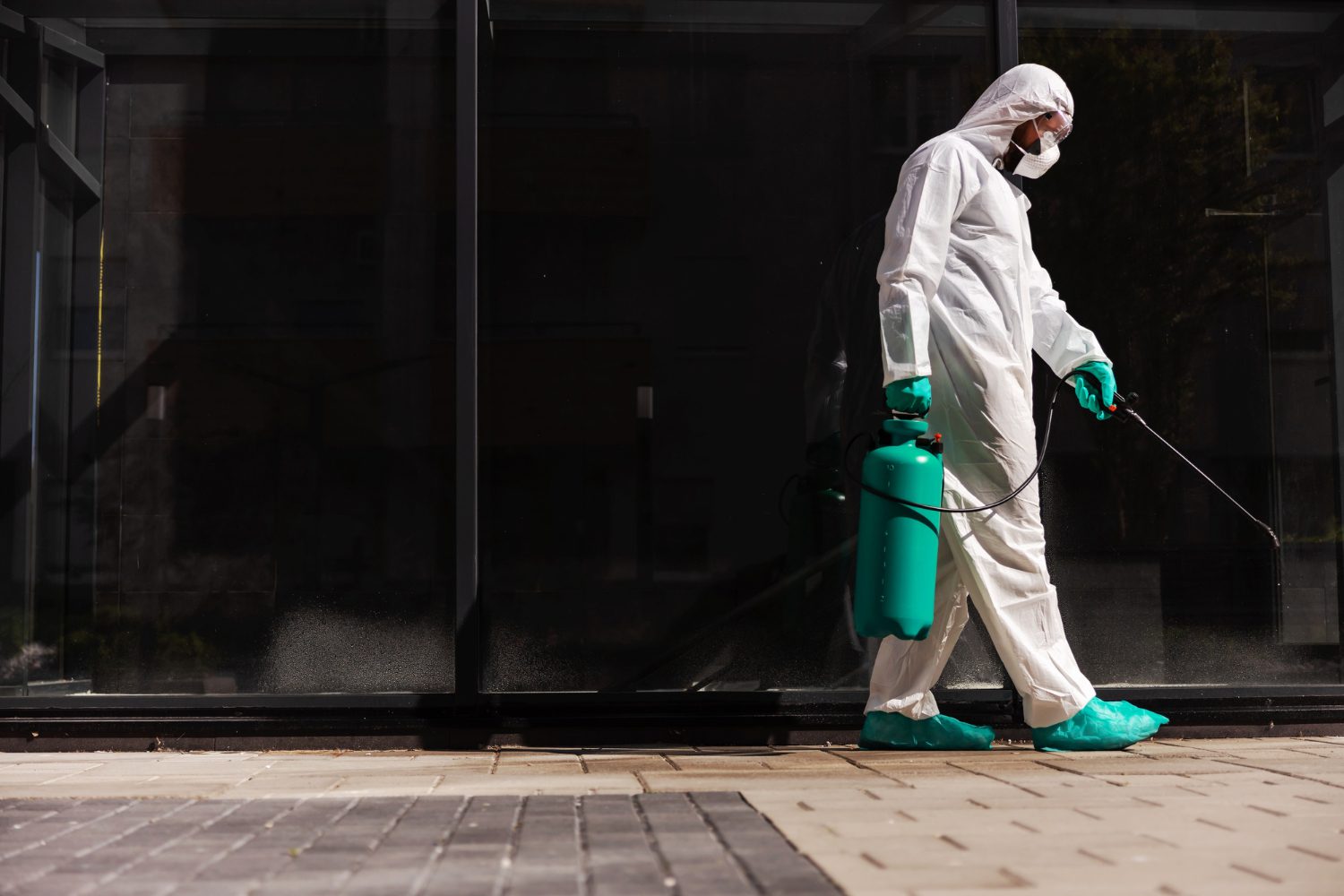
- 2. Perimeter Barrier Spray — Strategic application of residual acaricides to the "ecotone" — the transition zone between woods and grass — creating an invisible shield for your patio.
- 3. Tick Tube Deployment — We target the primary hosts: mice. By placing treated cotton tubes, we kill ticks on rodents before they ever have a chance to reach your family.
Tick Control Pricing in Raleigh (2026)
- Standard Residential (up to 0.5 acre): $75 – $125 per treatment
- Large Estate (0.5 – 1.5 acres): $130 – $210 per treatment
- Wooded Perimeter Only: $65 – $95 per treatment
- Full Season Package (7–9 applications): $550 – $900 / year
Bundle discounts available when combined with Mosquito Control services.
Tick Control FAQ
Does a "Mosquito Spray" also kill ticks?
Not necessarily. Mosquitoes stay in the canopy, while ticks hide in ground-level leaf litter. Our tick program specifically calibrates for these low-level harborage areas.
When should I start tick treatment in Raleigh?
Late March or early April is ideal as nymphs emerge, but our "Tick Tube" system can be deployed in the fall to break the winter host cycle.
Are the treatments safe for pollinators?
Yes. Our technicians are trained to avoid flowering plants and active bee zones, focusing strictly on the shaded, non-flowering areas where ticks reside.
How soon can my kids play in the yard after service?
Once the treatment is completely dry — typically 30 to 60 minutes depending on Raleigh's humidity levels.